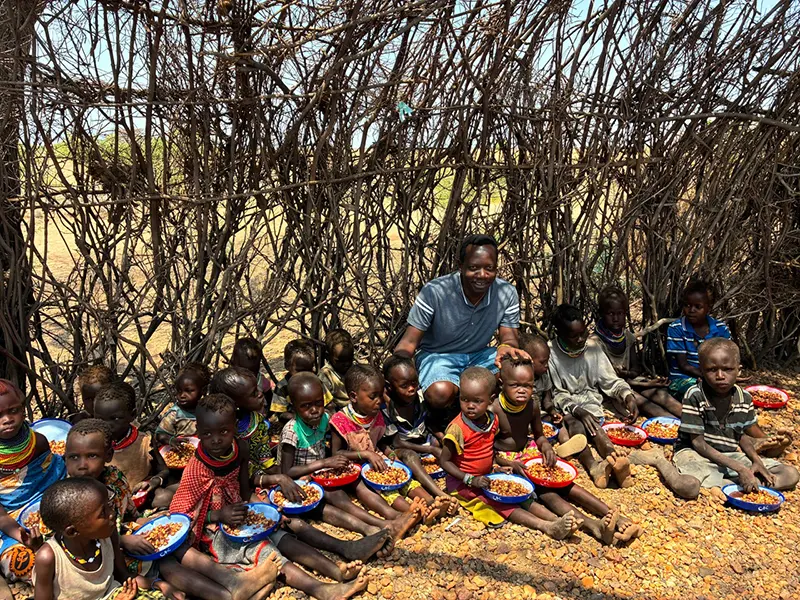
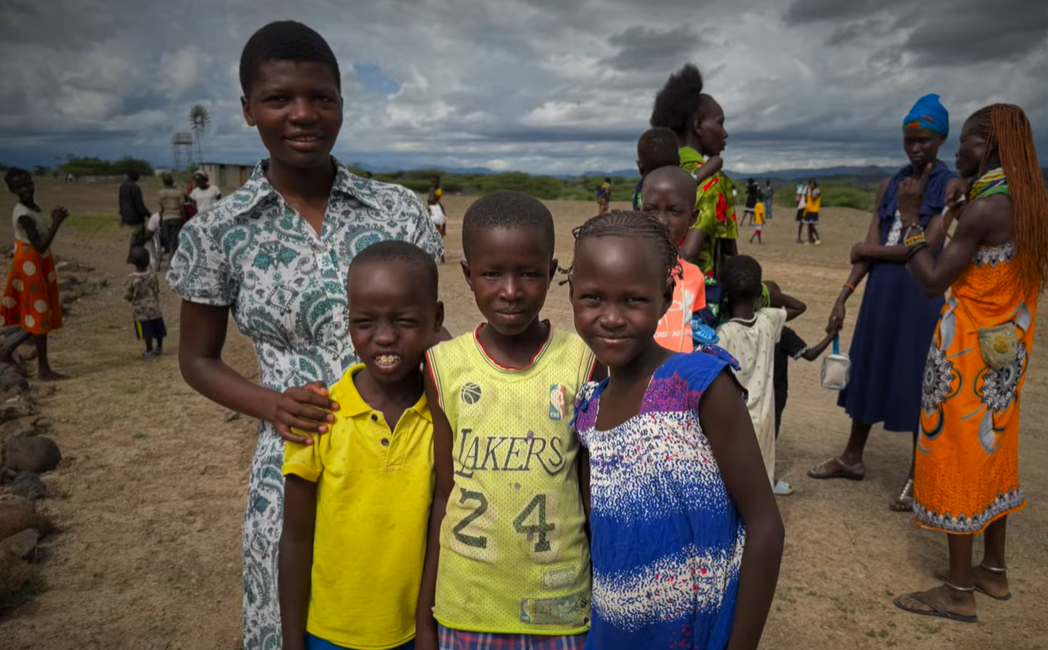
In an interesting conference call recently Lenny Jillo and Andrew Yakulula described the very different circumstances in the areas in which they are working.
In Nariokotome and the area where Lenny is working the nursery schools are well established, operate in schools built for the purpose, are well organised with increasing demand from appreciative parents who have been able to see the positive impact the schools make. All the schools have qualified staff, and the geographic spread is small with most schools within 10 to 12 km of the centre and the furthest just 33km away. The challenge is the need to expand to meet the growing demand.
In Lobur it is a different story. Here the nursery provision is less established and the schools are more geographically spread, with locations 80 or 100km from the centre and also distant from each other, classes held in multi-purpose halls, and a lack of qualified staff. The distance between schools is a challenge in terms of time for Andrew and his colleagues, but also in terms of cost, not least with recent hikes in petrol prices. Because the schools are less established, parental commitment is also lower and numbers fluctuate – going up in times of drought when the provision of food becomes more valued.
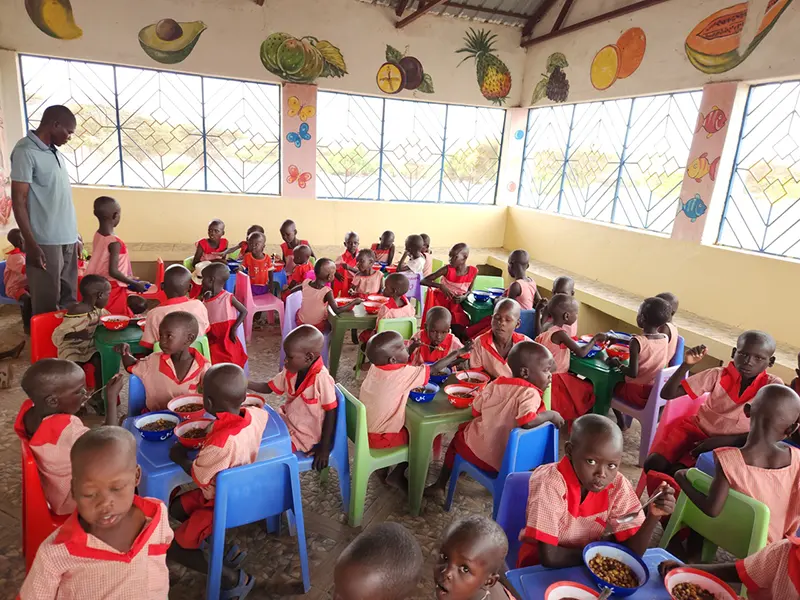
So, what does this mean in terms of finance, of the future, and of priority? Both areas need funding. In Nariokotome, there is a solid base on which to build. An opportunity to work with the parents to create better futures for more children, a sense of years of work coming to fruition – if only the money to build the classrooms and pay the teachers becomes available. In Lobur, there is a need for buildings which are more fit for purpose, accommodation that will help attract professional staff, and finance to ease the burden of rising oil prices. Lobur is perhaps 6 years behind Nariokotome and needs the finance to be able to get to the stage that Nariokotome is now at, to face the challenges of success and move beyond the initial build stage.
For New Ways, this means the two different scenarios do not represent a choice. Both need support. Both are encouraging stories at different stages of development, and with some different geographic needs. Both present opportunities for building better futures.