My journey to Turkana started with a family connection to New Ways charity. My brother-in-law, William Carson has worked with and supported the charity for years. I asked how I could help. His reply was succinct; ‘you’re a nurse, make yourself useful’.
And so, it was arranged that I spend four weeks in Turkana working with the health team, passing on some of my experience through teaching & seeing how they deliver health care in one of the world’s most challenging environments.
I left a rain sodden Ireland and was greeted by the rains, which had arrived early, in Kenya. For a population which suffers regular droughts & the considerable risks to life that come with them, the rains are a blessing. I learned quickly that every blessing also brings challenges, a theme that would repeat throughout my stay.

Reaching the Nariokotome mission through the torrential downpours seemed impossible at first but gave me an opportunity to face the culture shock head on as I spent time in Lodwar, the largest town in north-western Kenya, located west of Lake Turkana, my final destination. The people in the city were friendly, helpful & colourful, happy to wave & say hello. A cacophony of cars, bikes, motorbikes, goats, chickens & pedestrians managed to avoid colliding despite a complete lack of traffic management, I could not tell you which side of the road we were supposed to be travelling on. I’m told the left but had to ask. Fortunately, my years in Ireland avoiding Donegal drivers had at least prepared me for the lack of tarmac & the cavalier attitude to the rules of the road.
Eventually I got a lift to the mission going the six-hour, long route, seeing more of Kenya than was initially planned. I learned (slowly) is part of the culture for good reason. The drive was beautiful, dangerous & greener than I was expecting, due to the rains. From the car life looked different but normal, children playing, looking after each other, mums & dads working, walking & caring for their families.
On arrival I rested and then headed out next morning to start work. The dispensaries (health centres) were nothing like I had experienced before. I could only see challenges.
The heat, the number of patients, lack of resources, how unwell the patients can be, the mix of neonates, paediatrics, trauma, high risk deliveries, snakebites, scorpion and insect stings, and medical and surgical conditions managed by a team with no doctor in a remote location, at least three hours travel on dirt tracks, which disappear in the rain, from the nearest centre with more specialist care & doctors. I began to understand how the health team manages these challenges, while finding the opportunities these challenges present.

The teams are clinically skilled, they are also friendly, welcoming, funny, professional, hardworking, caring and patient, in short, an inspiration. It was clear I was going to learn more from this team than I could ever teach them. They work six days but it is really seven days per week, 24 hours per day dealing with emergencies, transferring critically ill patients in the back of a jeep on dangerous roads in the dark whenever required. The drivers will face all the dangers Kenya has to offer to reach critically ill patients in distant villages & by doing so they save many lives.
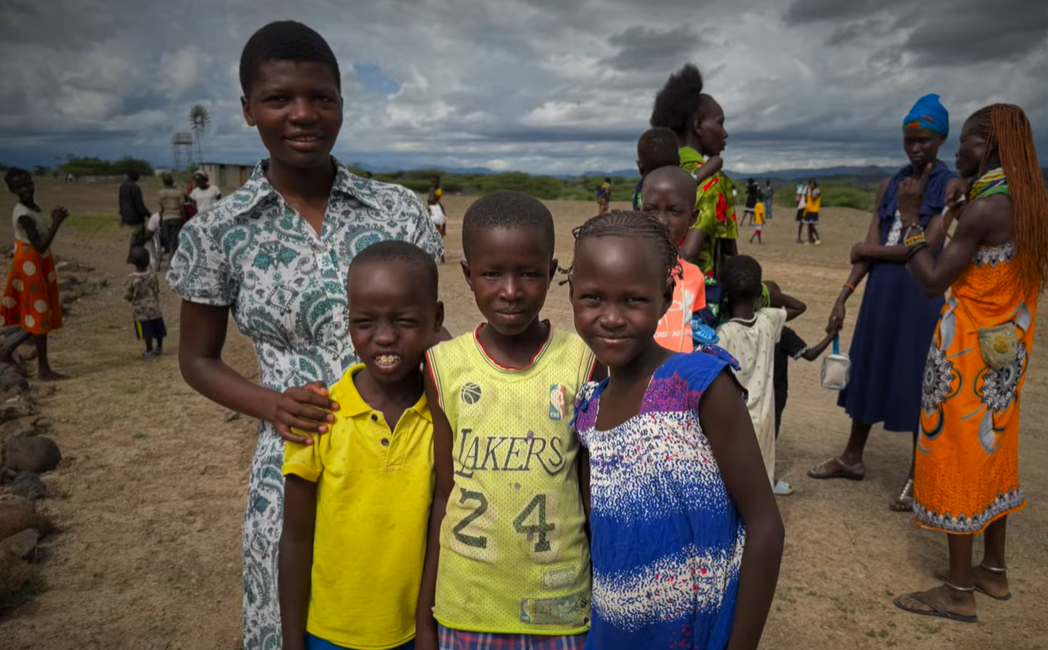
As well as providing health services in the dispensary, an essential part of their work are the outreach clinics. Five days a week they take all the kit they need to villages in more remote areas, often travelling hours before setting the clinic up under a tree in incredible heat and seeing hundreds of patients every day. It is here that I see how respected, and loved the team is by the communities.
The locals welcome me warmly, they smile and chat, the children play and it’s lovely to see how the mums care for their children and the older children look after the wee ones. They wait patiently, gossiping and laughing. It is so normal, I guess people are people everywhere. Here the team assesses the development of babies’ height, weight, arm circumference & nutritional state, administering vaccines, vitamins, deworming and antimalarial measures. Pregnant women also receive vaccines, HIV tests and other measures to keep them and their babies healthy. The staff provide education around health, nutrition and anything else that may concern the local communities. The aim is to identify children and pregnant women with malnutrition or other health risks and manage early with a plan of care. This is a very effective model which provides impressive results. I was struck by how many of the children were healthy and happy with good weight and development. A testament to the hard work of the health team.
There will be more from Jim in our next newsletter.