In our last newsletter we read about Jim’s arrival in Kenya, heard his initial impressions, learnt something of the work he witnessed. Now we take his story further, starting with a journey through the countryside…
“As we travel the countryside, the driver stops for anyone walking and explains the Turkana people can walk 10km to get to school, work or the dispensary. We should do whatever we can to ease their burden. More than once, we pick up a mum with a sick baby a long distance from the dispensary. I note how the population closest to the dispensary appears healthier than communities further away, where the children appeared more in need of food and clothing. It becomes clear to me that access to health care & resources is the key difference and how critical the outreach clinics are to these communities. Establishing dispensaries in more remote areas is a goal of the mission and while they are achieving this there is always more to be done.
I spent time in other dispensaries in the Kokuselei and Lobur missions. Smaller than Nariokotome and unique, they faced similar challenges. The health team is always listening. The development of a labour room in a Manyatta (traditional hut) leads to more deliveries in the dispensary, a safer environment with better outcomes. This creative, holistic and caring approach is evident in everything the healthcare team does.
As the rains came early so does the malaria outbreak. The health team had predicted the increase in numbers and severity and had prepared in advance, with additional drugs, screening, education and prophylactic treatment. I learn to recognise a case of malaria by merely looking at the patient from a distance. There are some sad cases with adults and children presenting critically ill, and some deaths. It’s hard to imagine how much greater the number of deaths would be without the care provided by the team.
Those providing the health care are also members of the community and contribute to the running and development of the mission in many ways. It was lovely to hear them sing in Mass and contribute to the development of this vital community. I also had the opportunity to see many of the projects that are improving the life chances of the people of Turkana. Boreholes for safe water, schools, education of adults and children, choirs, workshops to repair kit, farms including the women’s farm, social enterprises to support women, the bakery, sports for children, handwashing points, water drinking points, making soap & crafts, keeping roads safe, keeping children safe. It was inspiring to see how far these projects have come and how they are delivering hope and opportunities.
Nothing is wasted here. Everything is repaired, repurposed or recycled. I learned a lot.
My takeaways
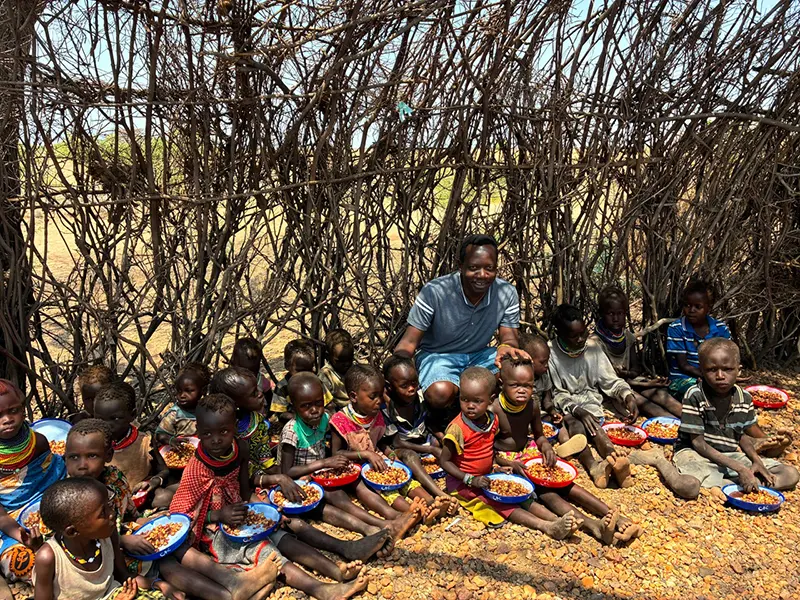
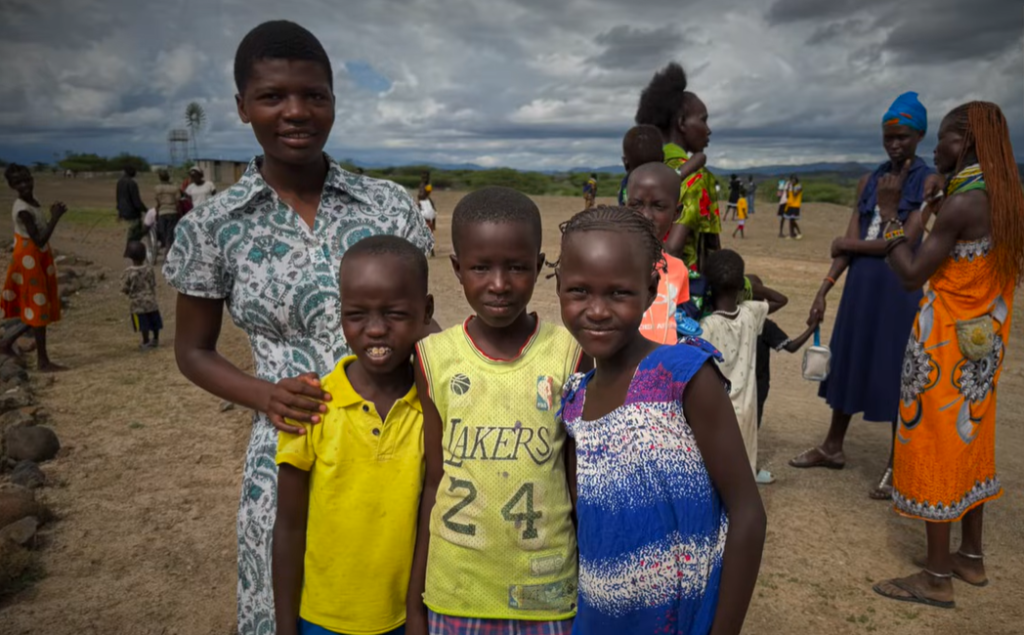
The children– I will aways remember the children, many hungry and visibly poor, always smiling, happy, curious, ready to play. The adults in their colourful clothes, friendly & keen to talk.
Resources– The lack of resources is the only barrier to the health team delivering more care.
Blessings– Every blessing comes with challenges, and the team manages it all with humour and a high level of skill.
Polepole (slowly in Swahili) – Patience is essential
The music– beautiful and uplifting
The community– Everyone opened their homes to me, made me feel very cared for & well fed!
I would like to return to Turkana, for longer and be more useful, working as a permanent member of the health care team. The team and the community overcome so many challenges to deliver targeted high-quality healthcare, it’s impossible to imagine they will not overcome whatever challenges the future holds.
Key to this continuous improvement will be resources; more staff, better transport, more equipment, medication, nutrition, technology, access to specialist care, dispensaries and outreach clinics. The government can prioritise better roads, improved economy and more jobs. The team will provide essential education to larger numbers, keeping the population healthy and support for women, by keeping young girls in education and reducing the numbers that become pregnant very young.
With support the Mission will achieve so much more, I know this because of how much they have achieved already. It would be a privilege to be a part of the future of Turkana. For now, my next voluntary job is to be an ambassador for New Ways and the work they do to support these amazing people.”