Ethiopia – health and conflict

Ethiopia – health and conflict

Ethiopia, officially the Federal Democratic Republic of Ethiopia, is a landlocked country in the Horn of Africa. It shares borders with Eritrea and Djibouti to the north, Somalia to the east and northeast, Kenya to the south, South Sudan to the west, and Sudan to the northwest. With a population of 117 million, Ethiopia is the 12th-most populous country in the world and the 2nd-most populous in Africa after Nigeria.

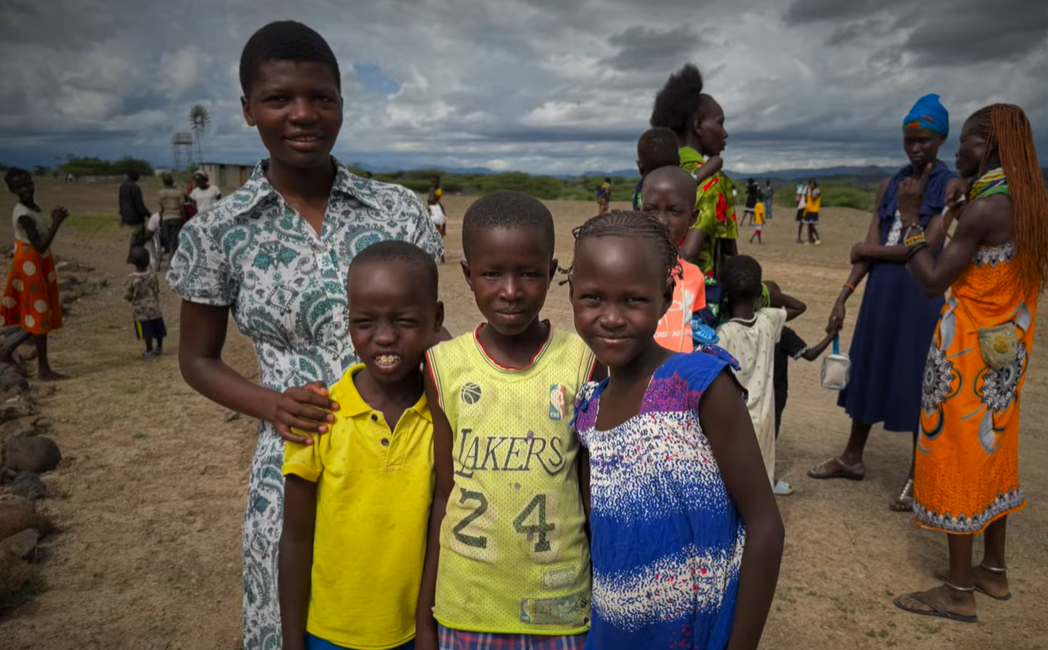
The Horn of Africa is being affected by climate change and armed conflict, largely caused by poverty and lack of development. Many of the peoples who inhabit the peripheries of these countries are pastoralists living in constant competition for scarce resources such as water and pastures for their herds. They receive very little aid from either government or NGOs but use firearms to either defend the access to those insufficient reserves or to gain access to them.

Where Kenya, Ethiopia, and South Sudan meet is the Ilemi triangle, a territory disputed by Kenya and South Sudan, and partly claimed by the Nyangatom tribe from Ethiopia. For about 50 years, this area has been the scene of violent conflict between different indigenous communities:  the Turkana, the Dassenech, the Nyangatom and the Toposa. This conflict is due in part to the territorial problem, competition for scarce resources and the proliferation of firearms, which together with culturally created stereotypes about “the enemies”, provoke constant attacks for cattle rustling and counterattacks for revenge. This violent conflict, with the consequent loss of human life, and constant fear of attacks, leads its inhabitants into a vicious cycle of insecurity, lack of opportunities, poor food and health, and in general extreme poverty. Since 2021, Turkana and Nyangatom have enjoyed a sustainable truce which is bearing many fruits but does not yet include the other communities.

The last 5 years have seen a steady flow of refugees from South Sudan, the damming and channelling of the Omo River and downstream development of four sugar factories in the Lower Omo Valley. The indigenous population is disoriented and needs to organize to respond to these challenges, in addition to those already posed by conflicts with their neighbours along with the scarcity of water resources and pastures.

After 10 years of permanent presence, our partners in the area, are working on a comprehensive development program based on the needs expressed by the local population: how to improve access to drinking water, sanitation and hygiene; promote health; improve education of the children; develop strategies to improve the level of food security and coping mechanisms in the face of climate and social changes affecting the region; and to mediate in conflict. 

Some of the current initiatives are described below.

Related Posts

Too much water?

Central to many of the issues in sub–Saharan Africa in general, and Turkana in particular, is a lack of water.

Read More

Want to keep up to date?

Join our mailing list

Donate

Make an online donation now

or consider a regular donation here

Your donation will go directly to helping children and young adults improve their lives. 

Get in touch

We'd love to hear from you.

Subscribe to our newsletter

Subscribe to our mailing list and stay up to date with our news and events.

We use cookies to ensure that we give you the best experience on our website. To learn more, read our privacy policy.